If you’re the smartest person in the room, you’re in the wrong room. After more than 15 years in digital, I’ve found the saying holds: I’ve grown most when the people around me knew things I didn’t.
Working as a developer inside a web agency teaches you quickly that talent alone isn’t enough. You grow by working with people who see things differently. Designers spot problems before you do. Front-end specialists think in movement and clarity. Back-end engineers build systems that hold up under load. The job is to learn from them, rather than outshine them.
Seeing a problem from every angle
One of the best parts of agency life is the mix of minds you meet. A front-end developer approaches a problem through feel, structure and what the user sees. A back-end developer thinks about data flow, constraints, and what will keep the system standing when thousands of people hit it at once. Each catches things the other misses.
A lesson from Jurassic Park
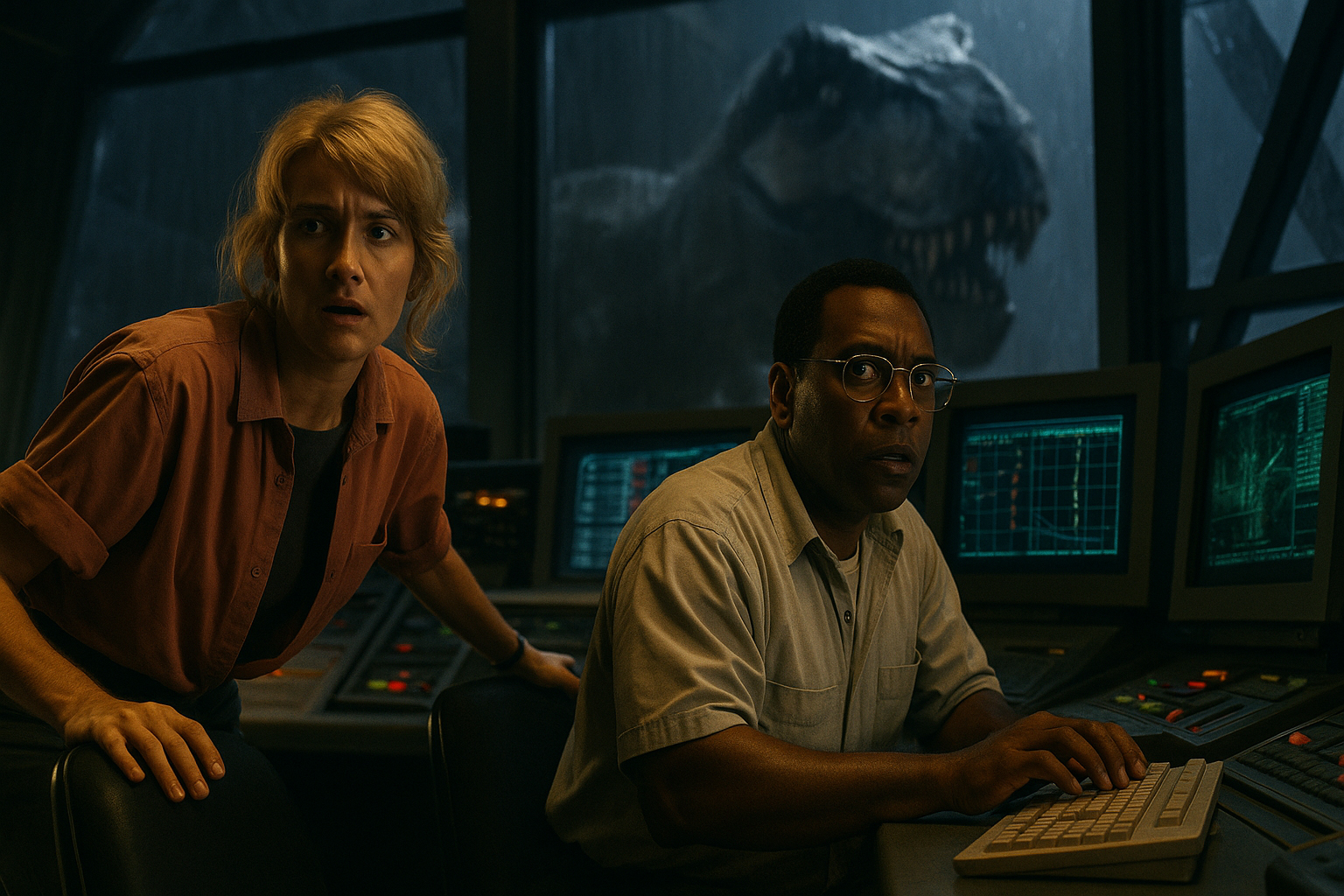
Jurassic Park has a good example. When the park’s systems go down, Ray Arnold works methodically on restoring them, rebooting the park’s core. Ellie Sattler sees the danger unfolding and knows she can’t wait for a perfect plan. He thinks in systems and she thinks in consequences, and the power only comes back when both approaches come together.
Digital work feels the same: calm planning from one side, urgency from the other, and different instincts solving the same problem.
Growth comes from listening
Some of the best lessons I’ve learned came from people with very different backgrounds or skill levels. A junior once questioned an assumption I’d made. A designer explained why a layout was confusing long before anyone wrote a line of code. A server engineer showed me why a shortcut I loved would cost the project dearly six months later.
Good teams make that kind of learning possible. They support each other instead of blaming, and fix problems together. Nobody wins anything for being the smartest in the room. What matters is a room where everyone feels safe enough to contribute.
Ego and camaraderie
Ego rarely helps in this industry. It slows work down and makes collaboration harder than it needs to be. A culture built on camaraderie and shared ownership produces better work and solves problems faster, and pressure feels lighter when you face it together.
Sometimes you’ll be the most experienced person in the room. That’s a chance to guide others, pass on what you’ve learned and help people avoid the pitfalls you’ve already seen. Mentoring becomes part of the craft.
When things go wrong, good teams ask how to move forward together.
Looking back
Looking back, I’m grateful for the rooms I’ve been in and the people I’ve worked with. Designers, developers, strategists and engineers have shaped the way I think and build, and every project and tight deadline has added something to how I work today.
Sometimes I’ve been surrounded by people who pushed me to rethink everything. Other times I’ve been the one helping others grow, and both have mattered as much.
I still work with agencies, now as a white-label developer on their projects.
Are you the smartest person in the room?
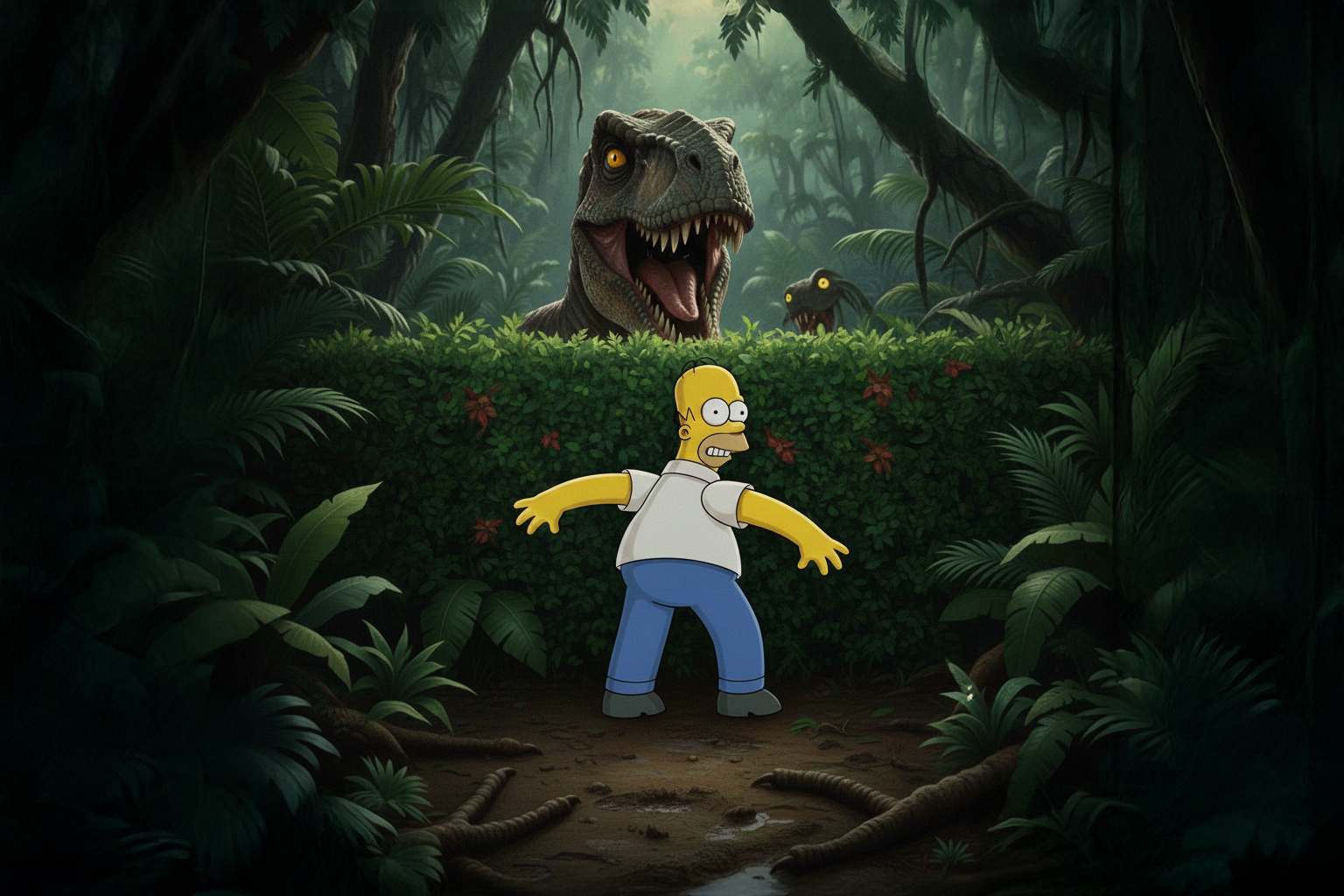
It may be time to disappear into that hedge.
Published , updated .
Part 1 of The Long Game.